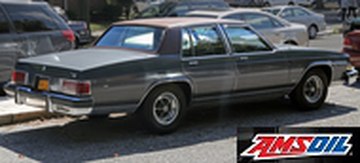
Lubrication Maintenance for the 1982 Buick LESABRE 5.7L Diesel
Maintaining a diesel engine requires a disciplined approach to fluid management and regular inspections. For the 1982 Buick LESABRE equipped with the 5.7L diesel engine, consistent attention to lubrication systems is a fundamental aspect of long-term vehicle health. Because diesel engines operate under different thermal and mechanical stresses than gasoline counterparts, following specific maintenance protocols helps ensure the engine remains in optimal condition.
Monitoring Fluid Integrity and Condition
A primary task for any owner is the regular assessment of the engine oil's physical state. Over time, lubricants can undergo changes due to heat and the chemical environment within the engine. When performing routine checks, observe the color and consistency of the oil. While diesel oil often appears darker than gasoline-engine oil even shortly after a change, significant changes in texture or an unusual odor may warrant closer investigation.
If you notice any unexpected changes in how the lubricant behaves, it is important to investigate the cause. For instance, if the oil level fluctuates more rapidly than expected between service intervals, this can be associated with various factors that should be addressed promptly. Maintaining a consistent level of clean lubricant is essential for managing the internal environment of the 5.7L engine.
Observing Potential Warning Signs
Effective maintenance involves being attentive to the signals the vehicle provides. While many issues can have multiple underlying causes, certain observations should prompt an immediate inspection:
- Visible Seepage: Inspect the area around the engine for any signs of fluid leakage. Even small amounts of seepage on gaskets or seals can indicate that components are aging and may eventually require attention to prevent larger issues.
- Changes in Engine Sound: Any new or unusual mechanical noises during operation should be investigated, as they can sometimes be linked to lubrication efficiency or component wear.
- Exhaust Observations: While exhaust characteristics can vary based on many factors, any sudden or persistent changes in the appearance of exhaust smoke should be monitored and evaluated by a professional if they persist.
- Dashboard Indicators: If your vehicle is equipped with oil-related warning lights or indicators, these require immediate attention to prevent potential engine damage.
It is important to remember that a single symptom does not provide a definitive diagnosis. For example, an odor of burning oil might indicate contact with a hot surface rather than a specific internal failure. Always treat new symptoms as a prompt for professional diagnostic evaluation.
Prioritizing Long-Term Engine Care
As vehicles age, maintenance strategies often shift from purely reactive to more proactive and condition-based approaches. For an owner of a 1982 Buick LESABRE, establishing a clear understanding of the vehicle's current state is highly beneficial.
If you are managing a vehicle with an incomplete service history, your first priority should be establishing a maintenance baseline. This involves performing a thorough inspection of all major fluid systems and aging components to determine their current condition. Rather than replacing parts based solely on the age of the vehicle, focus on addressing active leaks or signs of wear that are actually present.
Keeping detailed records of every oil change, filter replacement, and mechanical repair is one of the most effective ways to manage a diesel engine over many years. These records allow you to track consumption patterns and identify if certain maintenance tasks need to be performed more frequently due to the vehicle's specific operating conditions or age.
Routine Inspection of Engine Components
Beyond the oil itself, several peripheral components should be included in your regular service routine. If equipped, inspect accessible drive belts for signs of deterioration such as cracking, glazing, or fraying. Similarly, if the vehicle is equipped with various hoses, check them for softness, swelling, or visible leaks.
Electrical connections and wiring harnesses should also be inspected periodically. Ensuring that connectors are clean and secure helps prevent erratic sensor readings or electrical issues that could affect engine performance. Furthermore, ensuring the air filtration system is clean is vital, as a restricted air intake can impact the efficiency of the diesel combustion process.
Effective Lubricant Selection Strategies
When it comes to selecting the correct lubricant for your 5.7L diesel engine, accuracy is paramount. The requirements for diesel lubrication are specific and should never be substituted with general-purpose gasoline engine oils without verification.
To ensure you are using the correct product, always match the engine oil to the application-specific viscosity information shown on this page. Using an incorrect grade can affect how the lubricant flows during startup or how it maintains its film strength under operating temperatures.
When evaluating different products, consider the following:
- Formulation Types: Depending on your needs and the engine's condition, you may encounter conventional oils, synthetic blends, or full synthetic options. Some high-mileage oil formulations contain additives intended for use in aging engines, including seal-conditioning additives that may assist in maintaining component integrity.
- Certification: Always verify that the product meets the appropriate API (American Petroleum Institute) service categories for diesel engines.
- Label Accuracy: Before purchasing, carefully check the product labeling to ensure it aligns with the specific requirements of your 1982 Buick LESABRE.
Buying Engine Oil for your 1982 Buick LESABRE 5.7L
To complete your maintenance task successfully, you must select a lubricant that is compatible with this specific diesel application. Do not rely on general automotive knowledge or assumptions based on the vehicle's year to determine the correct oil. Instead, refer directly to the application-specific viscosity and product information provided in the technical data section of this webpage. By matching your purchase to these exact specifications, you ensure that the engine receives the lubrication necessary for its design and operating requirements.